"Carbon footprinting and sustainability regulations, have become very complex topics over the past years. ClimateCamp have proven themselves as a valuable partner in finding the right path in this complex world."

“Our collaboration with ClimateCamp is incredibly valuable. Their expertise in measuring and analysing carbon emissions, has provided us with critical insights and significantly contributes to the satisfaction of our customers."

"We valued the collaborative approach ClimateCamp took — working together on navigating emissions calculation as well as supplier engagement to move from basic emissions calculations to actionable insights."


Align GHG reporting with internal hierarchy

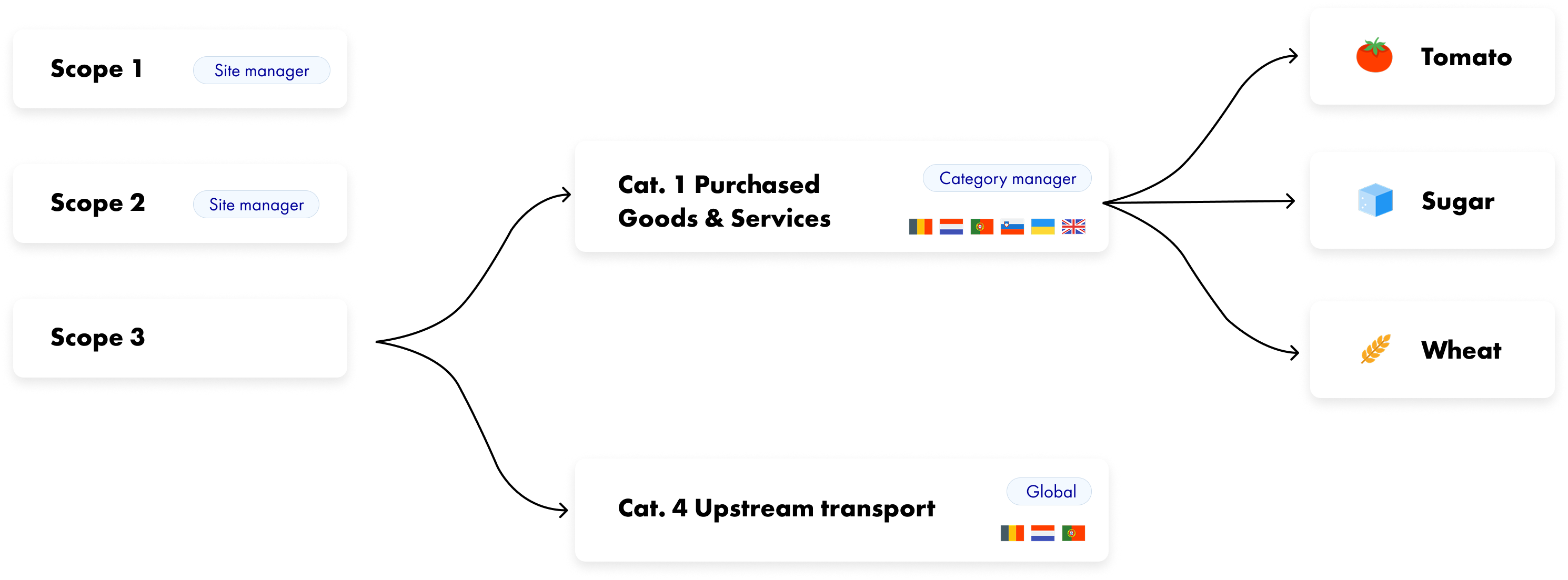
Our platform aligns GHG reporting with your existing organizational and financial structures. This ensures emissions are correctly attributed, accountability is clearly defined, and data is always managed by the right internal stakeholders.

Set different types of organizational boundaries

Adapt your reporting hierarchy to product categories, geographies and more

Define which GHG-categories to report on

Assign data owners per GHG category or sub-category

Run internal data collection campaigns or use smart data upload

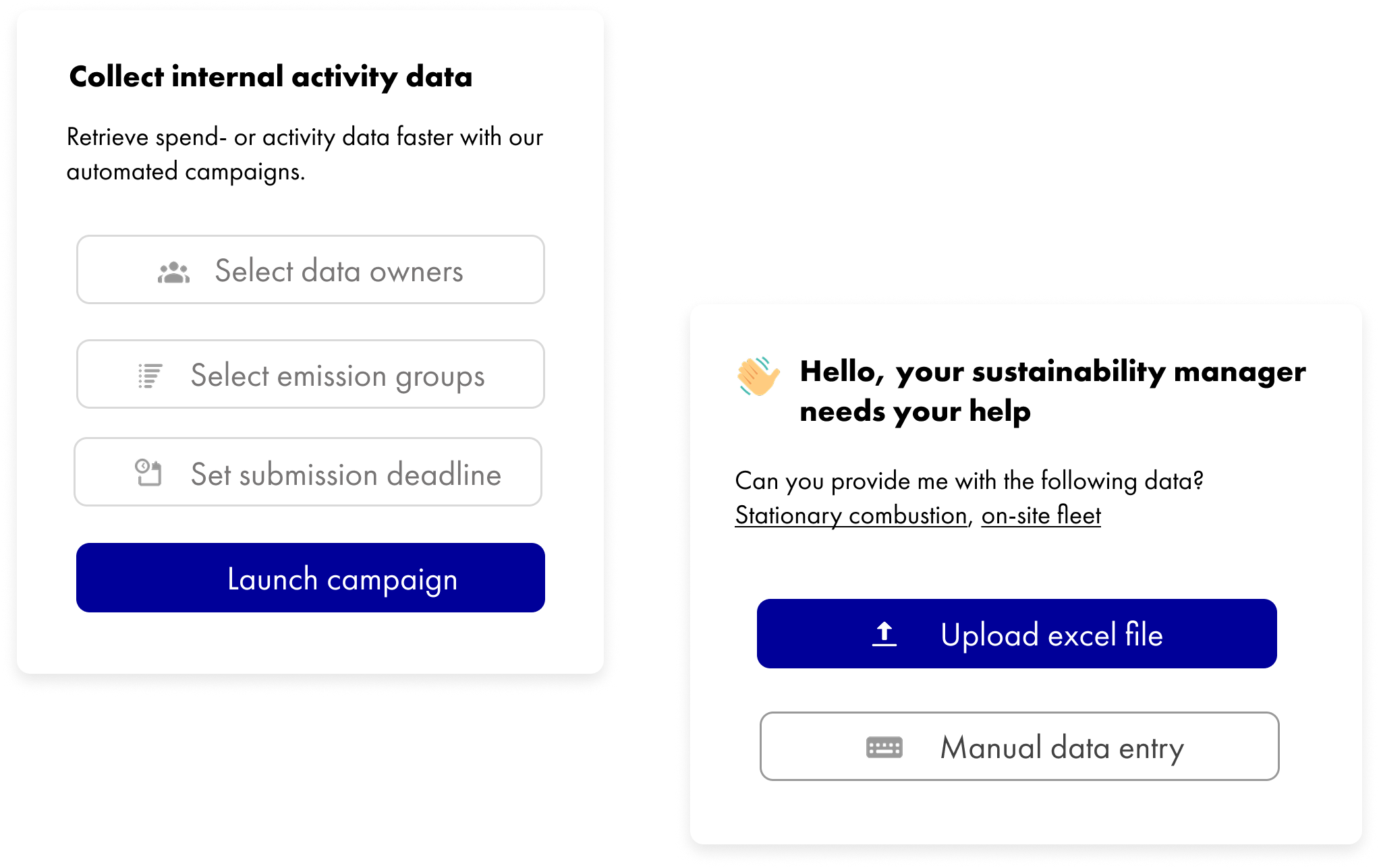
Collecting site-level data shouldn't require a GHG expert. Simply assign internal data owners, define what needs to be reported, and let people fill it in by answering questions, no accounting knowledge required. For large datasets, smart templates and AI extraction structure your data automatically, with built-in gap detection.

Customize questionnaires to data owners

AI data extraction from uploaded Excel and CSV files

Auto detect missing fields or incorrect data formatting

Why ClimateCamp
Option 1
Doing carbon calculations and supplier engagement manually is a constant struggle. You need to search for the right emission factors, keep track of dozens of spreadsheets, reach out to every supplier, validate data. It’s time-consuming, prone to mistakes, and might leave you with numbers you can’t actually trust.
Option 2
Hiring a consultant takes some of the burden off your shoulders. You get access to expertise and more accurate results with less effort from your side. But it comes at a high price: they bill by the hour, and they still need you to properly understand the makeup of you organizational structure, value chain and products.
Option 3
ClimateCamp combines the best of both worlds. It cuts down the calculation and engagement workload with automation, gives you access to a vast library of emission factors and  ensures results are validated by experts. All of this comes at a predictable, fixed price—so you can stay compliant and in control without hidden costs.

Initial AI allocation of emissions factors, results validated by an expert

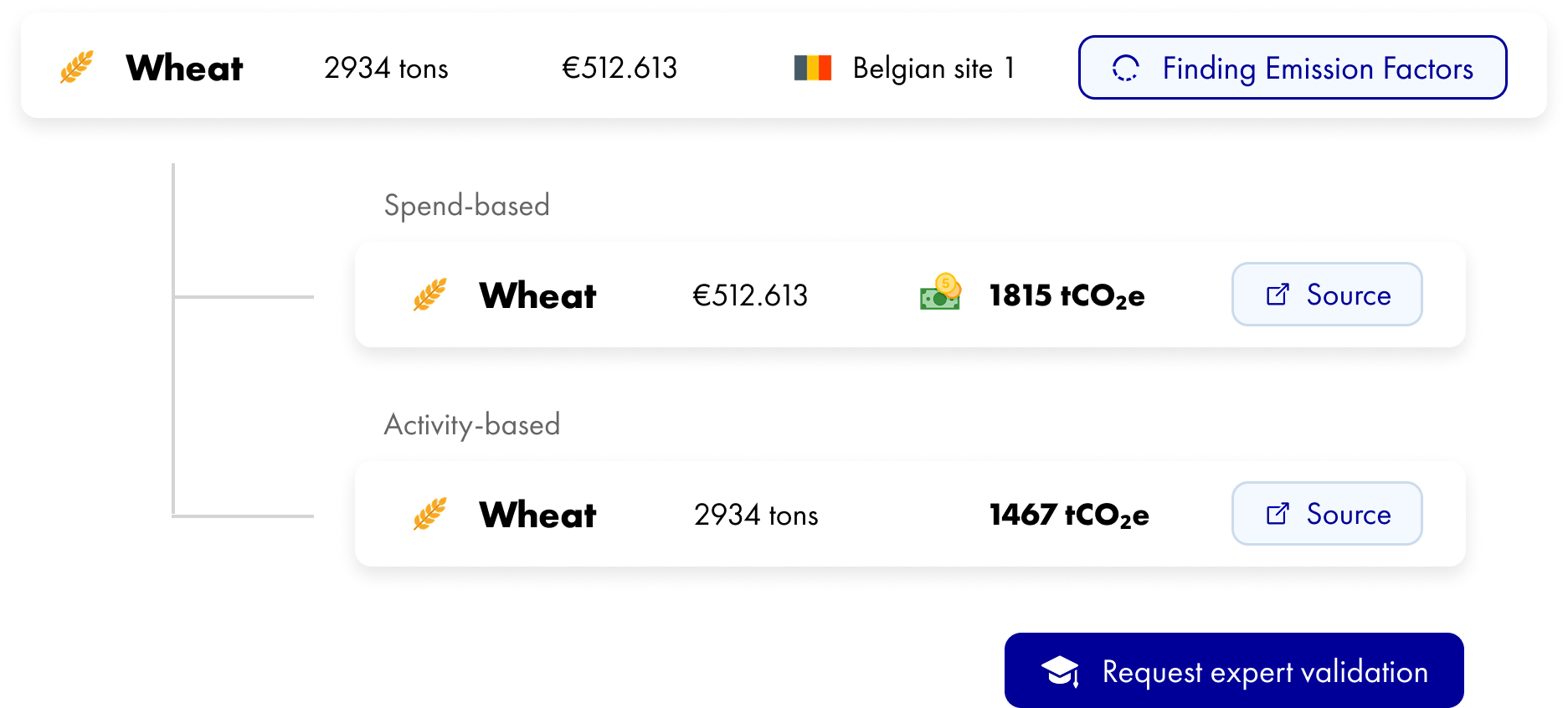
Matching thousands of activity lines to the right emission factors is one of the most time-consuming parts of carbon accounting. Our AI processes your entire dataset in hours, automatically assigning the most relevant factors — complete with confidence scores, sources, and breakdowns. Human experts then review the results to ensure your inventory holds up to audit scrutiny.

AI sourcing emissions factors from 40+ databases

Validation of selected emissions factors by a human expert

Retrieve FLAG- and biogenic emissions

Create custom emission factors tailored to your specific business

Perform detailed multi-leg transport calculations

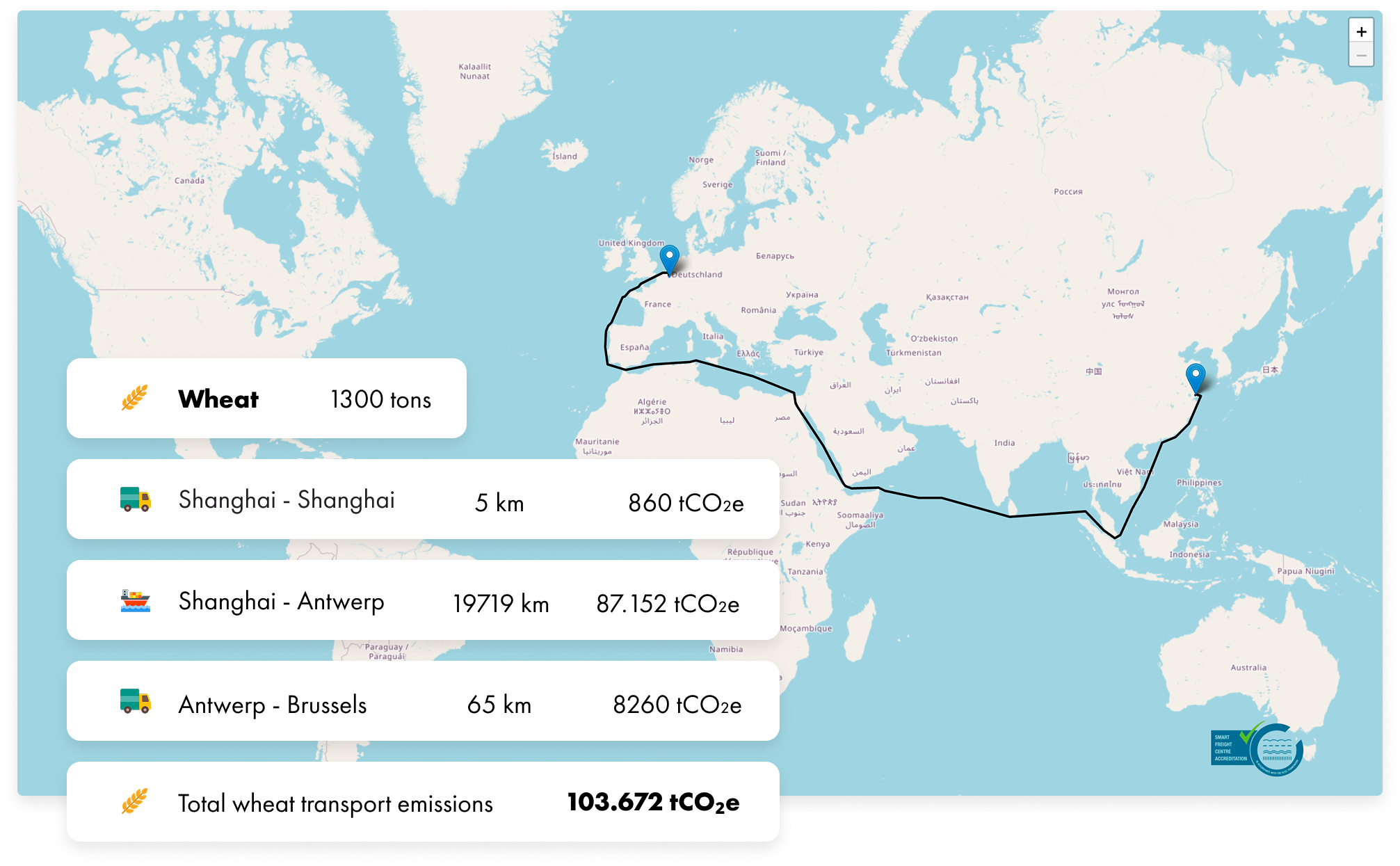
Stop estimating transport as the crow flies. ClimateCamp automatically calculates real, multi-leg routes from your purchase data — factoring in origin, destination, and transport mode (sea, air, road) to reflect how goods actually move.

GLEC-compliant methodology

Increase accuracy of transport calculations with sub-types and fuel type.

Your GHG inventory, made actionable

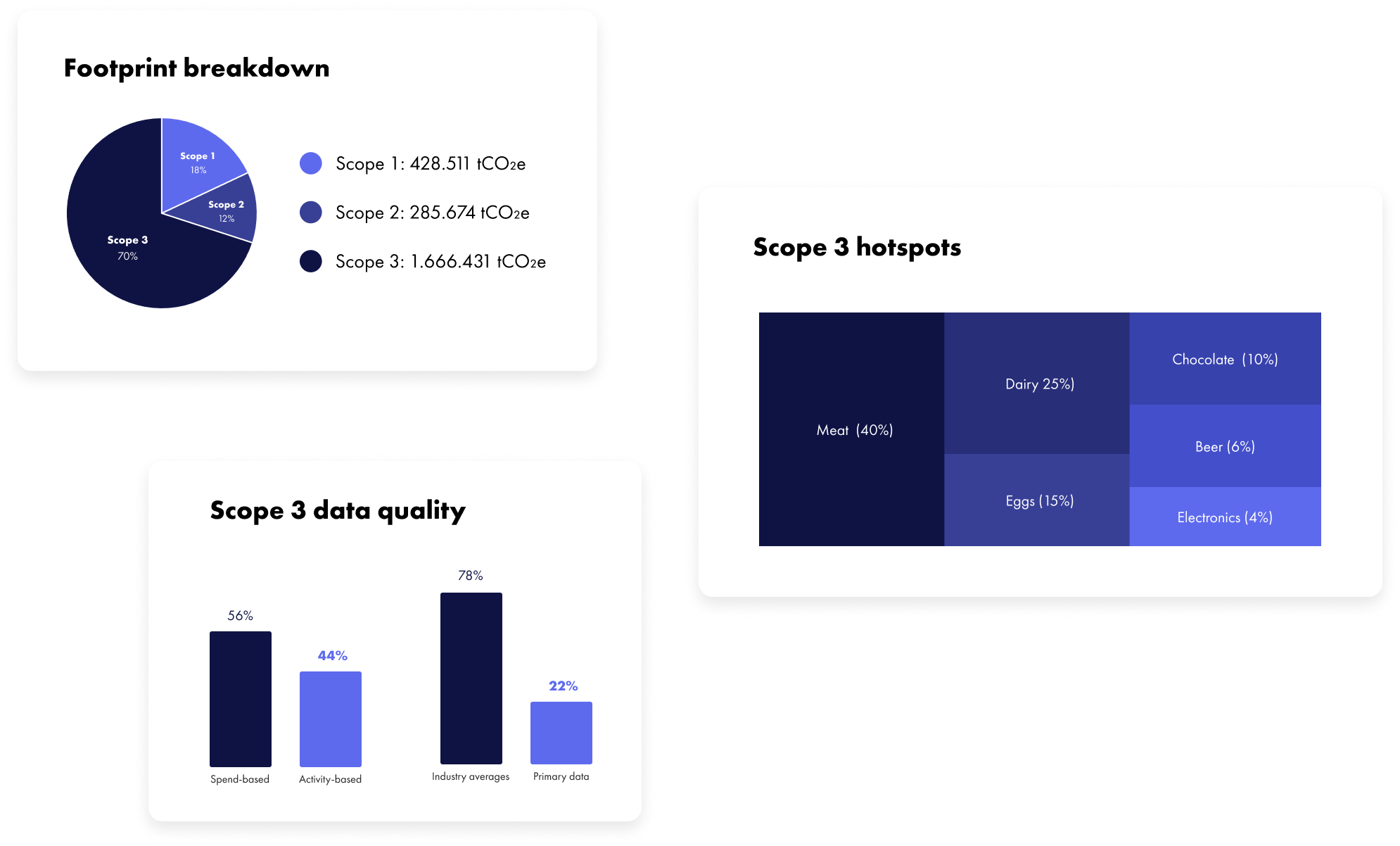
Compliance is just the starting point. Beyond emission factor allocation, we surface footprint breakdowns, hotspot overviews, and data quality insights — so you can act, not just report.

Improve your GHG inventory with QA metrics

Adapt reports to production sites, geographies or emission groups

Discover FLAG emissions breakdowns

Generate auditable reports with full traceability

Once our experts are done, you can auto-generate a Corporate Carbon Footprint report which is compliant with frameworks such as ESRS E1 (CSRD), IFRS S2 (ISSB), TCFD, and SEC climate rules.

FAQ

How do we prepare for the kick-off?

Before the kick-off, we’ll ask you to share basic organizational data—like your entity structure and key locations. To ensure a smooth and efficient start to the project, we recommend involving the right stakeholders from the beginning. This helps avoid delays in communication and data collection. Key people typically include the project lead, a responsible for daily operations, someone from the procurement team, and—if available—a person with a strong overview of data management within the organization.

What is expected from me and how am I supported by ClimateCamp

Customers are responsible for gathering and uploading their data, but ClimateCamp guides them every step of the way—advising on what data to collect, where to find it, and how to structure it. We also support the conversion of raw inputs, the allocation of emission factors, and offer customizable charts and graphs to visualize the distribution of your carbon footprint.

Our customer success specialists will check-in with you every 2 to 4 weeks depending on your availabilities to guide you through the process, answer questions, gather feedback and resolve calculation issues.

What kind of data do I need to deliver

To calculate your Corporate Carbon Footprint, you’ll need data across three scopes defined by the GHG Protocol.

- Scope 1 (direct emissions), you’ll need fuel consumption data for company-owned vehicles, machinery, heating systems, and any on-site industrial processes. You should also include refrigerant use for HVAC systems if applicable.

- Scope 2 covers indirect emissions from purchased electricity, heating, cooling, or steam. Here, you’ll need energy consumption data (typically in kWh) for each facility, along with the country or region to apply the correct emission factors.

- Scope 3 includes all other indirect emissions across your value chain. This often starts with spend or procurement data for purchased goods and services, along with information on business travel, logistics, waste, employee commuting, and capital goods. Depending on your business, you might also need data on product use and end-of-life impacts.

How reliable are the calculated results?

Our results are highly reliable and designed to meet both internal and external reporting standards. We follow the GHG Protocol, the globally recognized standard for carbon accounting, ensuring consistency and credibility in all calculations.

Our AI assists in allocating emission factors and identifying data gaps, but every output is reviewed by a human expert specialized in emissions data. In addition, our customer success specialists are trained GHG consultants who guide you through the process and validate the data as needed.

Finally, we generate an auditable report that clearly documents your methodology, data sources, and assumptions—providing the transparency needed for regulatory compliance, investor reporting, or assurance by a third party.

How long does it take to calculate Corporate Carbon Footprint

This depends on the complexity of your organization and how quickly data is uploaded into the system. If you have all the required data ready to be inputted, the process can be completed in a month. However most companies receive their Corporate Carbon Footprint results within 3 to 6 months after kick-off because of the time it takes to gather the required data.