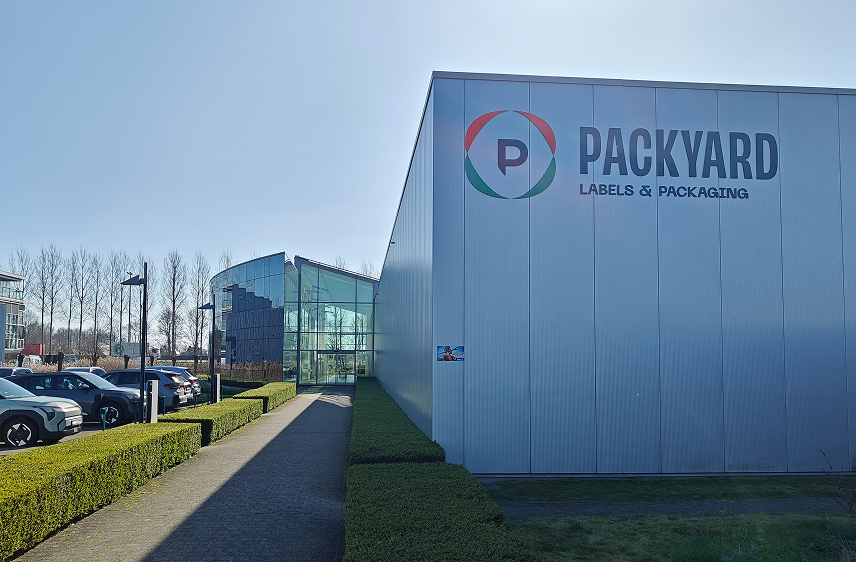
Discover how Packyard reduces workload around Scope 3 calculations whilst also improving data quality.
Introduction
Packyard is a packaging printing company specialized in various product groups and operating in three different countries. From our four sites, we produce solutions mainly focused on the food and pharmaceutical sectors.
As regulatory complexity increases and customers demand more transparency, sustainability has become a strategic priority for the company.
Their challenge
In 2024, Packyard appointed its first dedicated Sustainability Manager, Joshua D’Hondt, to structure sustainability reporting, respond to growing customer requests, and lead operational decarbonization initiatives across all sites.
Packyard had already achieved significant sustainability milestones and has even more projects running.
- Publishing a sustainability report aligned with GRI standards, despite no longer being obligated under CSRD
- Improving its EcoVadis score from 58 to 70 (Silver, close to Gold)
- Converting the Belgian site fully to LED lighting
- Switching Dutch sites to 100% renewable electricity
- Diverting 30,000 kg of plastic from incineration to recycling
- Investing in greener company sites
Looking ahead, Packyard is developing its ambitions even further with the following actions:
- Rolling out energy and waste initiatives to all locations (NL, FR)
- Installing solar panels on Dutch and French sites
- Developing Product Carbon Footprints (PCFs) across product groups
- Validating company-wide SBTi targets, including Scope 3
- Achieving EcoVadis Gold
While internal improvements progressed steadily, Scope 3 remained the largest and most complex lever for reduction. To move toward credible SBTi validation and reduction roadmaps, Packyard needed:
- A reliable Corporate Carbon Footprint baseline
- Higher-quality supplier data
- A scalable system to replace manual Excel-based calculations
Climatecamp's solution
We chose to work with ClimateCamp for various reasons, but one stood out above the others:
The ability to collect and allocate primary supplier data, not just having to rely on industry averages. For Packyard, with a broad and dynamic raw material base, supplier-specific data directly impacts accuracy and reduction potential.
"Because we work with many different raw materials and frequently add new suppliers and materials, ClimateCamp's supplier engagement expertise made them the clear choice."
- Joshua D’Hondt, Sustainability Manager
ClimateCamp also provided:
- A centralized, intuitive platform for Scope 1, 2 and 3 calculations
- Automated emission factor management
- Structured supplier data collection and engagement
- Continuous expert guidance
Dedicated support from Gwendoline ensured strong follow-up and maintained project momentum through bi-weekly touchpoints.
Results
With ClimateCamp, Packyard has:
- Established a structured and repeatable carbon footprint process
- Reduced manual workload and data risk
- Improved Scope 3 visibility through supplier engagement
- Built a credible foundation for SBTi target setting
- Strengthened readiness for regulatory and customer requirements
By combining structured supplier engagement, an easy-to-use platform, and expert guidance, Packyard can really start to focus its sustainability efforty
"The collaboration has been excellent. We have a dedicated contact person, quick follow-ups, and strong expertise in CO₂ calculation and reporting."
- Joshua D’Hondt, Sustainability Manager
Packyard’s journey shows that improving carbon data quality goes beyond compliance. They want to build the systems needed to act on reduction with accuracy.